
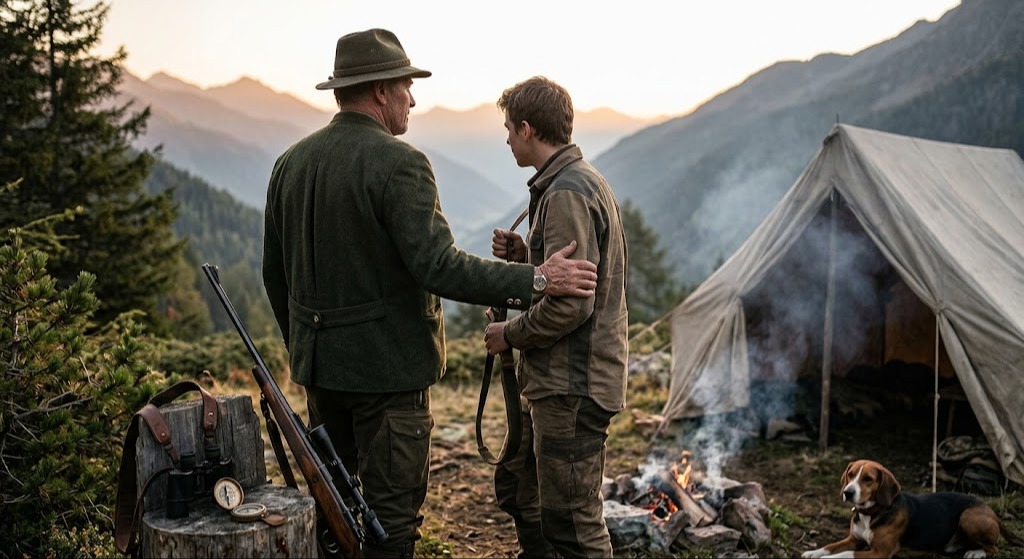
Hunting Traditions: The Definitive Guide to Global Practices and Ethics
Hunting traditions encompass the cultural, ethical, and generational practices governing the tracking, harvesting, and processing of wild game. These structured […]
Hunting traditions encompass the cultural, ethical, and generational practices governing the tracking, harvesting, and processing of wild game. These structured […]
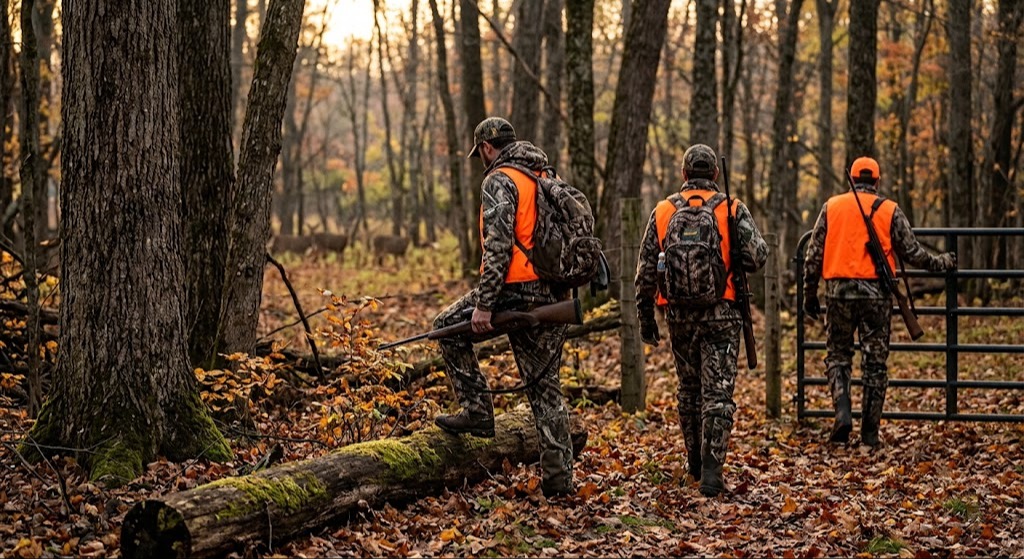
Hunting etiquette encompasses the unwritten social and ethical rules of conduct that govern behavior in the field, often referred to

Hunting ethics are an unwritten, self-enforced code of moral conduct that governs a hunter’s decisions, actions, and respect for wildlife,
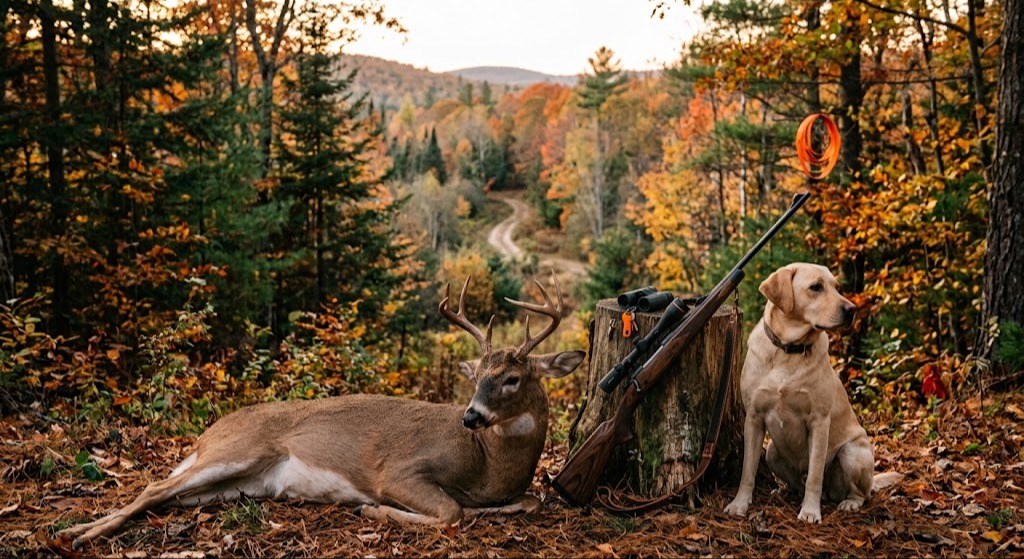
Hunting is the regulated human practice of seeking, pursuing, capturing, or harvesting wild game and birds, serving as both an

“Hunting myths” refers to widespread, scientifically inaccurate beliefs regarding wildlife biology, animal behavior, and hunting gear. These misconceptions survive through
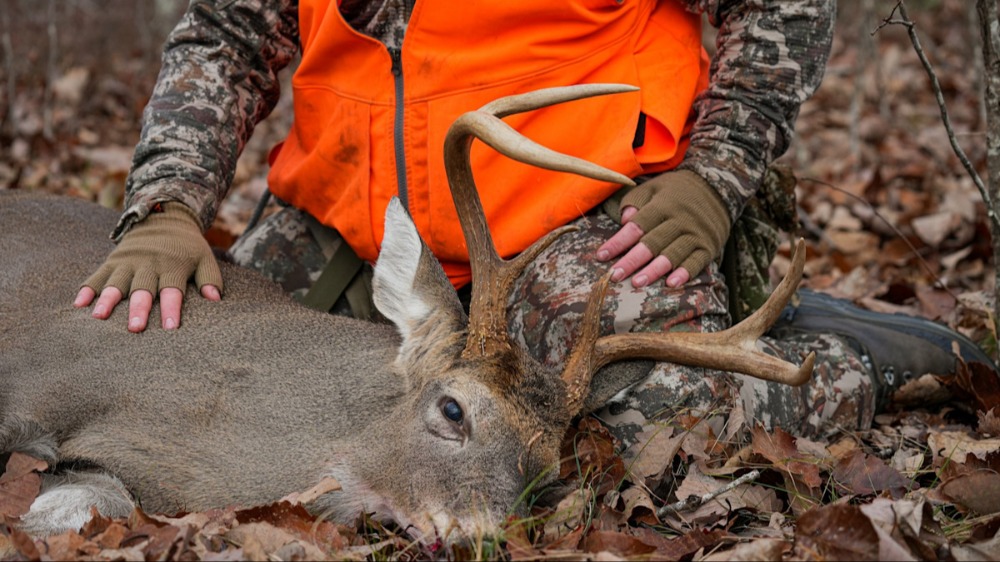
The benefits of hunting encompass ecological management, physical health improvements, and critical conservation funding. By participating in the regulated harvest
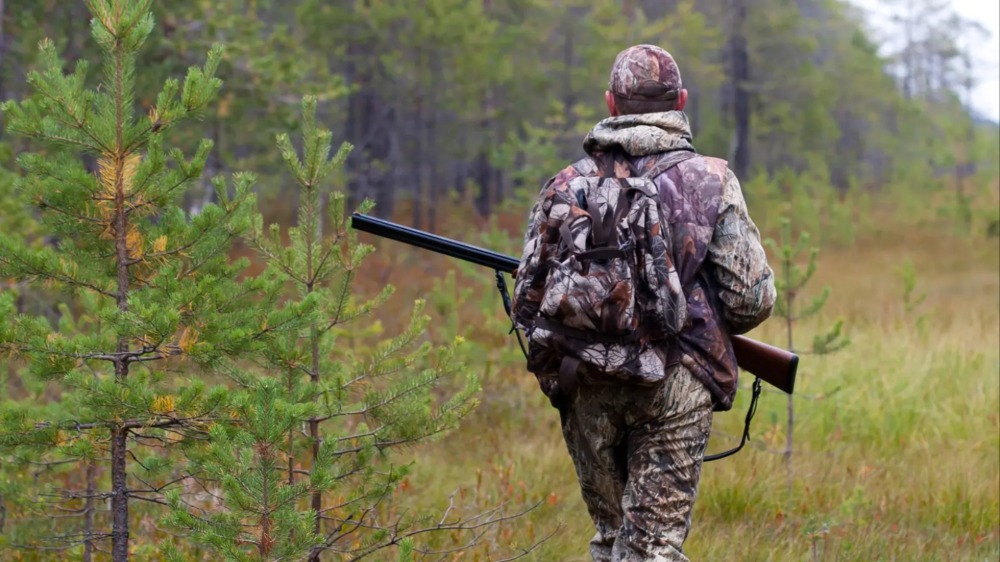
The most common beginner hunting mistakes stem from poor scent management, inadequate off-season scouting, and failing to practice realistic field-shooting
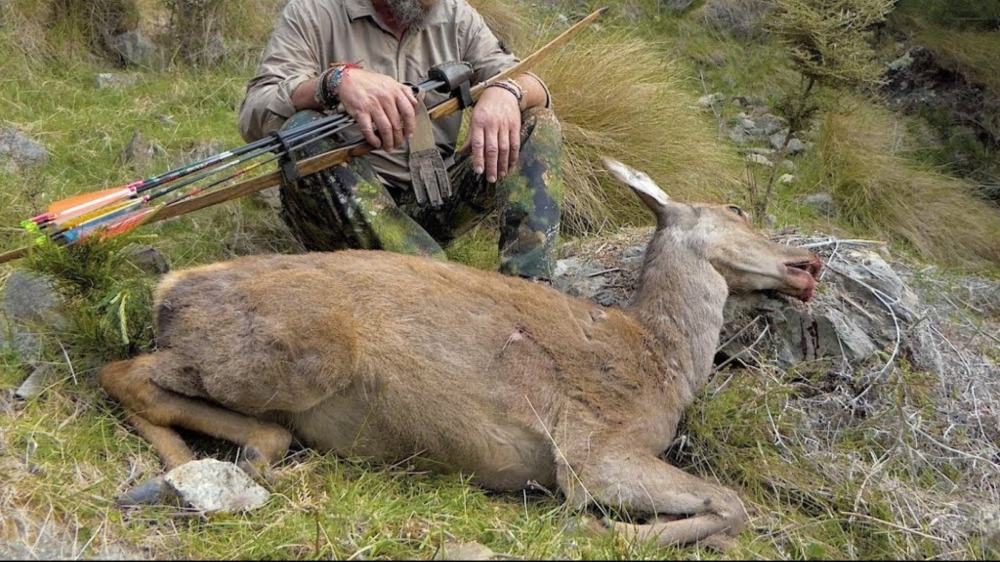
Hunting culture and traditions are the shared knowledge, ethics, rituals, skills, foods, and social obligations that communities build around pursuing
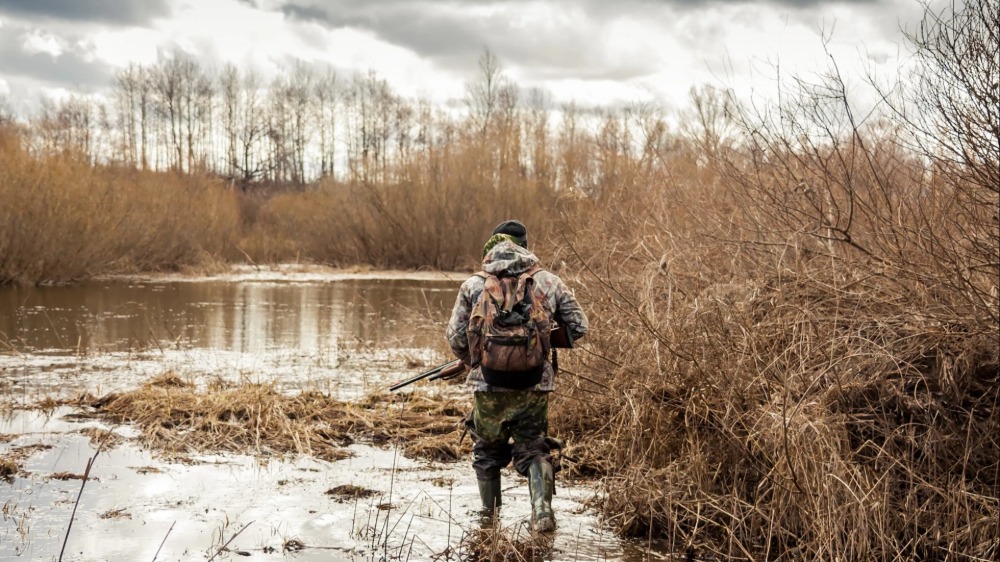
People hunt mainly to obtain food, spend time in nature, share traditions and relationships, test skills, earn income, protect property,

Hunting terminology encompasses the specialized legal, biological, ballistic, and tactical vocabulary used to locate, pursue, and ethically harvest game animals.