
Hunting is the regulated human practice of seeking, pursuing, capturing, or harvesting wild game and birds, serving as both an essential wildlife management tool and a direct source of sustainable, wild-harvested protein. Operating primarily under the North American Model of Wildlife Conservation, modern hunting relies on strict legal frameworks, mandatory licensing fees, and federal excise taxes to fund broad ecosystem preservation and maintain stable animal populations within carrying capacity limits.
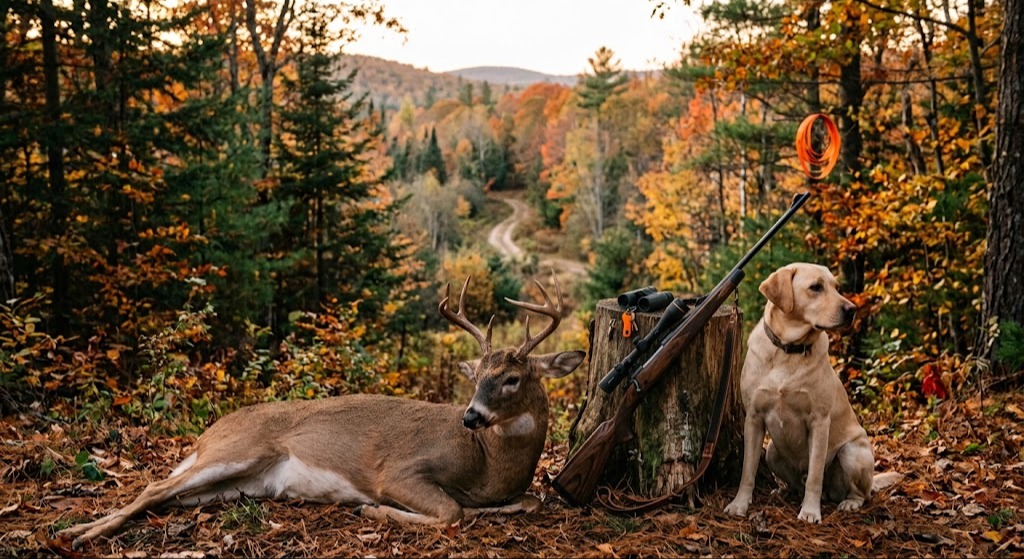
At a Glance
- Active U.S. Participation: Approximately 11.5 million active hunters generate over $1 billion annually for habitat conservation.
- Core Conservation Mechanism: The 1937 Pittman-Robertson Act imposes an 11% federal excise tax on firearms, ammunition, and archery equipment to fund state wildlife agencies.
- Nutritional Yield: A typical 150-pound white-tailed deer yields roughly 50 to 60 pounds of clean, lean, organic boneless venison.
- Ethical Bowhunting Range: The universally accepted maximum ethical distance for a compound bow shot at big game is 40 yards.
- Core Regulatory Framework: Seasons, bag limits, and legal weapon types are strictly enforced by state wildlife departments to prevent overharvesting.
What Is the North American Model of Wildlife Conservation?
Hunting in North America functions through a unique legal and philosophical framework known as the North American Model of Wildlife Conservation, which establishes that wild animals are public trust resources owned by no single individual. Under this system, wildlife cannot be bought or sold as private property, and hunting must be managed through public law rather than private enterprise.
This model relies on seven foundational pillars, including the prohibition of the commercial market for game meat, the allocation of wildlife by law, and the requirement that hunting be conducted for legitimate purposes such as food, fur, self-defense, or population management. State agencies such as the Department of Natural Resources (DNR) or Fish and Wildlife departments set strict bag limits, seasonal windows, and licensing mandates to ensure that annual harvests never exceed biological surplus.
What Are the Five Sequential Phases of the Hunting Process?
A successful, legal harvest requires completing five distinct sequential phases:
- Education and Certification: Completing a state-approved Hunter Education course to obtain a permanent certification card, which is legally required to purchase a hunting license in all 50 U.S. states and Canadian provinces.
- Scouting and Planning: Studying topographic maps, locating water sources and food plots, identifying fresh game signs (tracks, rubs, scrapes, droppings), and establishing a viable hunting location weeks before opening day.
- The Pursuit: Utilizing specific techniques-such as spot-and-stalk, still hunting, or stand hunting-to position oneself within the effective lethal range of the target animal without being detected by its acute senses of smell, sight, and hearing.
- The Shot Execution: Patiently waiting for a broadside or quartering-away angle to deliver a rifle bullet or broadhead arrow directly to the animal’s vital organs (heart and lungs) for a swift, humane, and ethical harvest.
- Recovery and Processing: Systematically tracking the blood trail to locate the animal, immediately field dressing it to remove internal organs and dissipate body heat, and transporting the carcass for butchering and cold storage.
What Are the Main Types of Hunting and Their Specific Gear Requirements?
Big Game Hunting
Big game hunting involves pursuing large mammals such as white-tailed deer, mule deer, elk, moose, pronghorn, and black bears. This discipline demands high-powered centerfire rifles (e.g., .308 Winchester, 6.5 Creedmoor), compound bows, crossbows, or muzzleloaders. Hunters spend extended hours in elevated tree stands, ground blinds, or executing grueling spot-and-stalk maneuvers across rugged backcountry terrain.
Small Game Hunting
Small game hunting targets smaller mammals including rabbits, squirrels, hares, and upland predators. Serving as the traditional entry point for beginner hunters, this type utilizes rimfire rifles chambered in .22 Long Rifle (.22 LR) or small-gauge shotguns (20-gauge or .410 bore). It teaches foundational fieldcraft, tracking, and marksmanship without the high physical demands or financial barriers of big game excursions.
Waterfowl Hunting
Waterfowl hunting focuses on migratory birds such as ducks (mallards, teal, wood ducks) and geese (Canada geese, snow geese) in wetland, marsh, and agricultural field environments. This specialized branch of hunting requires heavy investments in camouflage clothing, floating or full-body decoys, duck and goose calls, layout blinds, and trained water dogs (such as Labrador Retrievers or Chesapeake Bay Retrievers) to recover downed birds from freezing water.
Upland Bird Hunting
Upland bird hunting involves pursuing non-migratory game birds such as ring-necked pheasants, bobwhite quail, ruffed grouse, and wild turkeys across open fields, brush lines, and dense timber. Success heavily relies on pointing or flushing dogs (like English Pointers or Brittanys) that locate birds hiding in heavy cover, flushing them into flight for rapid shotgun target acquisition.
What Are the Financial Costs and Time Commitments Involved?
Understanding the economic and temporal investment required helps prospective hunters plan effectively:
- Hunter Safety Course: $20 to $40 (often available online for free or low cost through state agencies).
- Annual Licensing & Tags: $30 to $150 for state residents; $300 to $1,000+ for non-resident big game permits and preference points.
- Entry-Level Firearm or Bow: $400 to $800 for a reliable bolt-action rifle with a scope or a ready-to-shoot compound bow package.
- Essential Personal Gear: $300 to $600 for broken-in waterproof boots, layered camouflage clothing, a safety harness, and a tactical backpack.
- Guided Hunts: $2,000 to $10,000+ for fully outfitted private-land or backcountry horsepack trips (entirely optional).
- Pre-Season Preparation: 20 to 40 hours dedicated to scouting, habitat mapping, and range practice.
- Active Field Time: 4 to 12 hours per day in the field during open seasons, which typically span 1 to 3 months depending on weapon choice and state regulations.
How Do Hunting Weapons Compare in Range, Recoil, and Learning Curve?
| Weapon Option | Effective Range | Learning Curve | Pros | Cons |
| Centerfire Rifle | 100 – 400+ yards | Moderate | High ethical success rate; exceptional range; massive terminal stopping power. | Loud report; noticeable recoil; restrictive local zoning laws; shorter seasonal windows. |
| Compound Bow | 10 – 40 yards | Steep | Extended seasonal opportunities; peaceful and stealthy; deeply immersive animal encounters. | Short effective range; requires intense muscle memory, tuning, and continuous physical practice. |
| Shotgun | 20 – 50 yards (slugs/birds) | Gentle | Ultimate versatility across birds, small game, and deer slugs; forgiving spread patterns. | Heavy recoil with heavy loads; limited range; firearms can be burdensome to carry all day. |
What Are the Most Common Hunting Mistakes and How Do You Troubleshoot Them?
Common Mistakes
- Failing to Manage Scent: Walking downwind of game animals allows them to catch human scent particles instantly, triggering an immediate flight response before the hunter ever spots them. Always check wind direction before planning a stalk or selecting a stand location.
- Improper Weapon Zeroing: Venturing into the field without verifying rifle zero at various yardages or failing to practice with archery equipment under field conditions results in poor shot placement and wounded game.
- Moving Too Fast: Rushing through timber while still hunting breaks up natural background rhythm, silhouetting the hunter and alarming acute wildlife senses.
Field Troubleshooting
- Lost Blood Trail: If a blood trail vanishes, mark the last confirmed drop of blood or hair with flagging tape. Begin walking in expanding concentric circles or a systematic grid pattern from that exact point to locate the next sign.
- Weapon Malfunction: In the event of a firearm misfire, keep the barrel pointed in a safe direction for a minimum of 30 seconds to hedge against a hang fire (delayed gunpowder ignition). Tap the magazine, rack the action, and re-engage.
- Rapid Spoiled Meat Risk: In warm weather conditions exceeding 40°F (4.5°C), harvested game meat is highly susceptible to spoilage from bacteria growth. Troubleshoot by immediately skinning the animal, quartering the carcass, and placing clean meat cuts into breathable cotton game bags hung in the shade or packed in ice.
What Are Expert Recommendations for Different Types of Users?
- The Absolute Beginner: Start with Small Game Hunting (rabbits and squirrels) using a .22 LR Rimfire Rifle. Licensing costs are minimal, public land access is widespread, and it builds fundamental safety, woodcraft, and marksmanship habits without high financial or ethical stakes.
- The Food-Focused / Locavore Hunter: Focus on White-Tailed Deer using a Bolt-Action Centerfire Rifle chambered in .308 Winchester or 6.5 Creedmoor. This delivers the highest yield of organic, lean, chemical-free protein per hour invested in the field.
- The Adventure Seeker: Target Western Big Game (Elk and Mule Deer) via a Spot-and-Stalk Archery setup. This requires peak physical conditioning, advanced backcountry land navigation, and extreme mental discipline.
FAQ About Hunting
Is hunting necessary for wildlife conservation?
Hunting is scientifically recognized as a vital wildlife management tool. Because modern ecosystems lack natural apex predators in sufficient numbers across many regions, regulated hunting prevents overpopulation, reduces catastrophic disease outbreaks like Chronic Wasting Disease (CWD), and minimizes costly agricultural crop damage, all while funding conservation through license fees.
What is the difference between rifle and bow seasons?
Bow seasons are structured to occur earlier in the year or run concurrently with rutting (mating) periods, offering significantly longer seasonal windows (often 3 to 4 months) to compensate for the severely restricted effective range of archery equipment. Rifle seasons are typically shorter (1 to 3 weeks) and tightly regulated due to the high efficiency and extended range of firearms.
How do I legally acquire a hunting license?
To acquire a hunting license, an individual must first complete a state-approved Hunter Education certification course covering firearm safety, conservation law, and ethics. Once certified, the hunter can purchase annual licenses and specific game tags online or through licensed outdoor retailers.
Can you eat wild game meat safely?
Wild game meat is exceptionally lean, organic, and free of commercial antibiotics or growth hormones. It is entirely safe for human consumption provided the animal was harvested ethically with a clean vital shot, immediately field-dressed to cool the meat, and properly processed and cooked to safe internal temperatures.
What is a bag limit?
A bag limit is the maximum number of a specific game species that an individual hunter is legally permitted to harvest and possess within a specified timeframe, such as a single day or an entire season. Exceeding bag limits constitutes poaching and carries severe legal penalties, including heavy fines and loss of hunting privileges.