
Hunting traditions encompass the cultural, ethical, and generational practices governing the tracking, harvesting, and processing of wild game. These structured frameworks dictate social bonding, wildlife management, rites of passage, and ethical boundaries, ensuring that hunting remains a sustainable community pillar rather than an unregulated harvest.
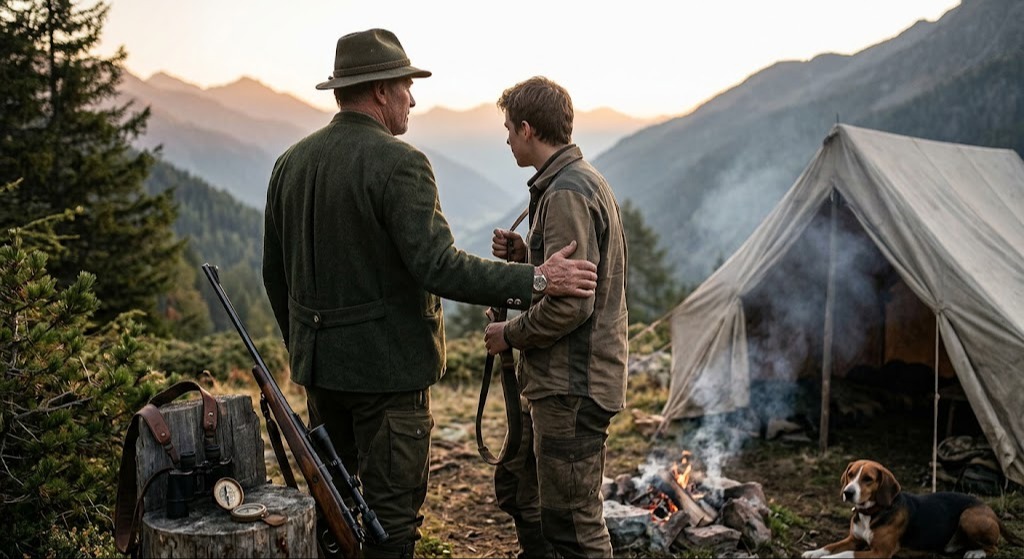
Key Facts:
- Primary Function: Traditions transform hunting from a pure survival tactic into a heavily regulated framework of respect, community distribution, and ecological balance.
- Core Phases: Every hunting tradition universally adheres to a four-part cycle: preparation, ethical harvest, utilitarian processing, and communal sharing.
- European Waidwerk: Requires hundreds of hours of coursework (Jägerprüfung) and strictly mandates traditional wool attire (Trachten) over modern camouflage.
- North American Model: Centers on the “public trust” doctrine, utilizing public land tags, camp-centric mentoring, and self-regulated ethics.
- Conservation Impact: In the United States, hunting traditions directly fund wildlife agencies through the Pittman-Robertson Act, generating billions via taxes on traditional gear.
What Are the Four Phases of the Hunting Framework?
The operational framework of hunting traditions relies on a cyclical, four-phase structure that ensures ethical, sustainable, and communal engagement. This structure universally governs how hunters interact with nature and handle the harvest, regardless of geographic location.
Phase 1: Pre-Hunt Rituals and Preparation
Pre-hunt traditions focus on land stewardship, equipment mastery, and intention-setting. Practitioners spend the off-season scouting terrain, analyzing game trails, and maintaining legacy gear, such as oiling a generational firearm or tuning a traditional bow. In indigenous traditions, this phase often mandates spiritual cleansing rituals, fasting, or requesting formal permission from the land or local deities to enter the hunting grounds.
Phase 2: The Harvest and Respect
The harvest phase demands the execution of a clean, highly ethical shot to eliminate animal suffering. Immediately following the harvest, traditional practices dictate honoring the animal’s life. This never involves immediate celebration; rather, it requires a moment of silence, the staging of the animal in a respectful posture, and specific physical rituals that acknowledge the transfer of life.
Phase 3: Field Processing and Utilization
Field processing traditions strictly enforce the doctrine of zero waste. Hunters must immediately gut, skin, and cool the meat to prevent bacterial growth and lactic acid buildup. Traditions heavily dictate the preservation of non-meat parts: hides are saved for tanning, bones for tools or broth, and sinew for binding. The urgency of this phase prioritizes the meat’s integrity over the hunter’s comfort.
Phase 4: Communal Feast and Storytelling
The final phase redistributes the caloric and cultural value of the hunt back to the community. Meat is systematically portioned to elders, neighbors, and those unable to hunt. Feasts serve as oral history mechanisms, where the retelling of the hunt passes tactical knowledge, land navigation skills, and ethical boundaries down to younger, apprenticing generations.
What Are the Main Types of Global Hunting Traditions?
Hunting traditions differ drastically based on local ecology, historical land ownership, and target species. The four most prominent global frameworks dictate completely different aesthetic and operational rules.
North American Big Game Traditions
North American traditions treat wildlife as a democratized public trust rather than a privately owned commodity. Built around white-tailed deer, elk, and waterfowl, this tradition emphasizes utilitarian gear, self-reliance, and camp camaraderie.
- Key Practices: Opening day gatherings at wall-tent camps, the mandatory wearing of high-visibility “hunter orange,” and the communal hanging of game on the camp meat pole.
- The “First Harvest” Ritual: When a novice successfully harvests their first big game animal, the mentoring hunter traditionally applies a small streak of the animal’s blood to the novice’s cheeks. This rite of passage officially welcomes them into the fraternity of conservationists.
European Classical Traditions (Waidwerk)
Rooted in feudal history, particularly in Germany, Austria, and the Czech Republic, Waidwerk represents the most formalized hunting tradition in the world. It emphasizes status, extreme etiquette, and deep forestry management.
- Key Practices: Hunters strictly wear traditional green or grey wool garments (Trachten) and utilize classic firearms like break-action drilling rifles. Camouflage is generally considered disrespectful.
- Der Letzte Bissen (The Last Bite): A small sprig of a local sacred tree (oak, pine, or fir) is placed into the mouth of the harvested animal as a final mark of respect.
- Der Schützenbruch (The Hunter’s Branch): A secondary branch, dipped in the harvest’s blood, is presented to the successful hunter on the blade of a hunting knife or hatchet, accompanied by the formal salute, “Waidmannsheil.”
Indigenous and Aboriginal Subsistence Traditions
Practiced by groups such as the Inuit of the Arctic, the San of the Kalahari, and Native American tribes, these traditions intertwine daily survival with deep spiritual ecology.
- Key Practices: Hunting is governed by tribal elders and consensus rather than state tags. Weaponry often blends ancestral tools (harpoons, atlatls) with modern utility.
- Spiritual Offerings: Practitioners routinely offer tobacco, sage, or corn pollen back to the earth, or speak a direct prayer of thanks to the animal’s spirit to maintain cosmic balance.
- Elders First: The most nutrient-dense organs and choice cuts are explicitly reserved for community elders. The hunter traditionally eats last, reinforcing community reliance over individual glory.
Hound and Pack Traditions
Historically dominant in the UK, France, and parts of the American South, this tradition relies on working dogs rather than the hunter’s stalking ability.
- Key Practices: Hunters utilize highly trained packs of scent hounds (foxhounds, beagles) or sighthounds to flush or trail game. The tradition is highly social, relying on horn-blowing signals, specialized tracking vehicles (in the US), or formal equestrian riding gear (in Europe).
Central Asian Steppe Traditions (Berkutchi)
Practiced primarily in Mongolia, Kazakhstan, and Kyrgyzstan, this tradition replaces firearms with apex avian predators. Mounted hunters partner with golden eagles (Berkut) to hunt foxes and wolves across the winter steppes, representing a unique inter-species hunting tradition passed down through nomadic lineages.
Direct Comparison of Major Hunting Cultures
| Tradition Type | Primary Focus | Regulatory / Legal Style | Equipment Aesthetic | Conservation Funding Mechanism |
| North American | Conservation & Meat | Public tags, lottery systems, strict seasons | Utilitarian, Camouflage, Technical fabrics | Excise taxes on gear (Pittman-Robertson) |
| European Classical | Status, Etiquette, Forestry | Strict exams (Jägerprüfung), private estate leases | Formal wool/tweed, classic wood-stock rifles | Private lease fees and estate management dues |
| Indigenous | Subsistence & Spirituality | Tribal governance, minimal state interference | Functional hybrid (traditional + modern) | Intrinsic land stewardship and localized ecosystem balancing |
| Hound & Pack | Social Event & Dog Work | Highly restricted globally, specific territory rights | Formal riding gear or regional high-visibility attire | Private club dues and localized habitat maintenance |
How Much Time and Money Do Traditional Hunts Require?
Engaging authentically in hunting traditions demands varied commitments of capital and time. Entering these frameworks requires understanding the baseline investments.
- North American Big Game:
- Time: 3 to 7 days per active hunting trip, preceded by 3–4 weekends of off-season land scouting and trail-camera monitoring.
- Cost: $200 – $2,000+ annually. This covers public land tags, essential camouflage, ammunition, and basic camp provisions.
- European Classical (Waidwerk):
- Time: Year-round estate management obligations (feeding game, maintaining high seats) plus a mandatory, multi-month licensing course before hunting is permitted.
- Cost: $2,000 – $10,000+ annually. Costs include mandatory education fees, private hunting syndicate memberships, formal attire, and liability insurance.
- Guided Traditional Safaris (Africa or High Asia):
- Time: 7 to 14 days per expedition, excluding international travel.
- Cost: $5,000 – $30,000+ per trip. This encompasses professional guide fees, community trophy fees (which fund local anti-poaching units), camp staff, and meat processing for local villages.
Common Etiquette Mistakes and Failures in the Field
Even experienced outdoorsmen fail when they ignore the ethical guardrails of a hunting tradition. Correcting these failures separates responsible participants from mere exploiters.
- The Mistake: Disrespecting the Harvested Animal. Taking inappropriate, boastful “hero shots,” straddling the carcass, or posting excessively bloody photos to social media violates the core tenet of respect.
- The Fix: Practice reverent field photography. Clean the animal’s face, tuck the tongue in, position the legs naturally, and take photos that honor the animal’s majesty rather than the hunter’s ego.
- The Mistake: Meat Spoilage (Bone Sour). Allowing the meat to spoil due to delayed gutting, or failing to break the animal down fast enough, trapping body heat inside the heavy muscle groups.
- The Fix: Prioritize immediate processing. Gut and skin the animal instantly, quarter it, and hang the meat in breathable game bags in a shaded, well-ventilated area under 40°F (4°C).
- The Mistake: Alienating the Local Community. Trespassing, ignoring unwritten local property boundaries, or failing to share the harvest with the landowners who host the wildlife.
- The Fix: Build genuine off-season relationships. Offer a prime portion of your processed harvest (sausages, backstraps) to the landowner as a traditional “thank-you” tax.
Which Tradition Should You Pursue?
Choosing the right tradition depends on your experience level, budget, and philosophical goals.
1. The Novice: North American Camp Model
- Why it fits: It is accessible, relies heavily on eager mentors, and takes place on public land.
- Action Step: Enroll in a state-mandated Hunter Safety Course. Focus entirely on woodsmanship, safe firearm handling, and meat care before obsessing over antler size.
2. The Experienced Traditionalist: European Waidwerk or Backpack Archery
- Why it fits: It injects intentional difficulty and deep historical reverence back into the pursuit, perfect for hunters suffering from “high-tech fatigue.”
- Action Step: Imposes personal gear restrictions. Hunt exclusively with a traditional recurve bow, or study the European forestry texts to understand the philosophy of the selective harvest.
3. The Cultural Explorer: Fair-Chase Safaris
- Why it fits: It allows hunters to participate in ancient tracking methodologies while directly funding indigenous communities.
- Action Step: Vett outfitters strictly. Ensure your expedition money goes directly to local conservation funds and that all harvested meat is actively distributed to the local tribal communities.
Frequently Asked Questions
Why are hunting traditions important?
Hunting traditions are essential because they impose ethical restraints on human predatory instincts. They ensure wildlife populations are managed scientifically, enforce strict rules against animal suffering, and mandate that harvests benefit the broader community rather than just the individual.
What is the oldest hunting tradition?
Indigenous subsistence hunting is the oldest continuous tradition. Practices involving the tracking of game, the utilization of every animal part for survival, and the spiritual reverence for the animal’s sacrifice date back tens of thousands of years to early Paleolithic human ancestors.
How do hunting traditions aid conservation?
Modern hunting traditions mandate strict adherence to game laws and seasons. Furthermore, traditions emphasize the purchase of licenses, tags, and specialized gear, which directly fund state and federal wildlife agencies, habitat restoration, and anti-poaching law enforcement.
Do hunting traditions vary by state in the US?
Yes. While the North American Model applies broadly, regional traditions vary wildly. Hunting in Pennsylvania involves generational deer camps and stationary tree stands, whereas Western states like Idaho focus on mobile, high-altitude spot-and-stalk techniques for elk and mule deer.
What happens if you break a hunting tradition?
Breaking a tradition usually results in social ostracization from the hunting community. While legal violations result in fines or loss of licenses, ethical violations-like wasting meat or disrespecting an animal-result in a hunter losing their camp invitations and access to private land.